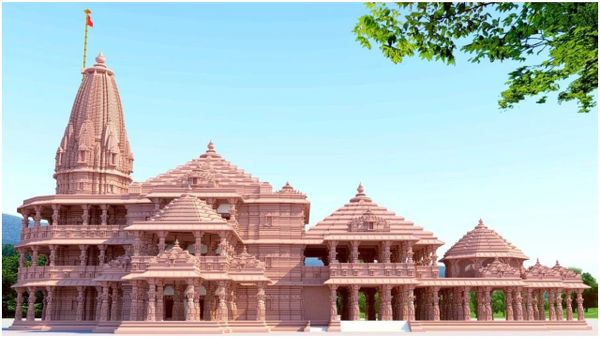
A Timeless Symbol of Faith, Heritage, and Architecture
The Ram Janmabhoomi Temple in Ayodhya has emerged as one of India’s most significant spiritual and cultural landmarks. The consecration (Pran Pratishtha) of the idol of Ram Lalla on 22 January 2024 marked a historic milestone, drawing millions of devotees and placing Ayodhya firmly among the world’s most important pilgrimage destinations.
Today, the magnificent temple is not only a sacred place of worship but also an architectural masterpiece and the centerpiece of Ayodhya’s remarkable transformation into a modern religious tourism hub.
An Architectural Marvel
Designed by renowned temple architect Chandrakant Sompura, whose family has designed several iconic temples across India, the Ram Temple follows the traditional Nagara style of North Indian temple architecture.
Following the Supreme Court’s 2019 verdict, the original design was expanded to create a larger and more elaborate temple complex. Some of its notable architectural features include:
- Grand Scale: The temple spans three magnificent floors and is nearly twice the size of the original proposal.
- Five Majestic Mandapas: The structure features five beautifully designed domes (mandapas), enhancing both its visual grandeur and its capacity to welcome large numbers of pilgrims.
- Built for Centuries: In keeping with ancient Indian engineering traditions, the temple has been constructed without the use of steel or iron. Massive interlocking stone blocks ensure exceptional durability, with the structure designed to stand for over a thousand years.
- Exquisite Stone Carvings: Crafted primarily from pink sandstone sourced from Bansi Paharpur in Rajasthan, the temple showcases intricate carvings depicting deities, floral motifs, and scenes inspired by Indian mythology.
The Historical Journey
Ayodhya has long been revered in Hindu tradition as the birthplace of Lord Rama. The temple site was also the focus of a decades-long legal and historical dispute involving the former Babri Masjid, a 16th-century mosque that was demolished in 1992.
In November 2019, the Supreme Court of India delivered its final judgment, awarding the disputed land to the Shri Ram Janmabhoomi Teerth Kshetra Trust for the construction of the Ram Temple. The court also directed that an alternative five-acre plot be allocated elsewhere in Ayodhya for the construction of a mosque, bringing the lengthy legal process to a close.
Ayodhya’s Remarkable Transformation
The development of the Ram Temple has sparked an unprecedented revival of Ayodhya, turning the ancient city into one of India’s fastest-growing pilgrimage and tourism destinations.
Modern Infrastructure
To accommodate the growing number of visitors, Ayodhya has undergone extensive infrastructure development, including:
- Maharishi Valmiki International Airport, providing improved air connectivity.
- A newly redeveloped Ayodhya Dham Railway Station, inspired by traditional temple architecture.
- Wider roads, improved public spaces, enhanced transport facilities, and upgraded visitor amenities throughout the city.
A Thriving Tourism Economy
The steady influx of pilgrims and tourists has fueled rapid growth in the local economy. New hotels, guesthouses, restaurants, shopping areas, and tourism-related businesses have transformed Ayodhya into a vibrant destination while creating employment opportunities and supporting regional development.
A Must-Visit Spiritual Destination
Whether you are visiting for spiritual reasons, architectural appreciation, or cultural exploration, the Ayodhya Ram Temple offers an unforgettable experience. Its magnificent design, deep historical significance, and the city’s renewed energy make it one of India’s most compelling travel destinations.
As the larger temple complex continues to develop, the Ram Temple stands as a landmark of devotion, craftsmanship, and heritage—welcoming visitors from across India and around the world to experience the timeless spirit of Ayodhya.